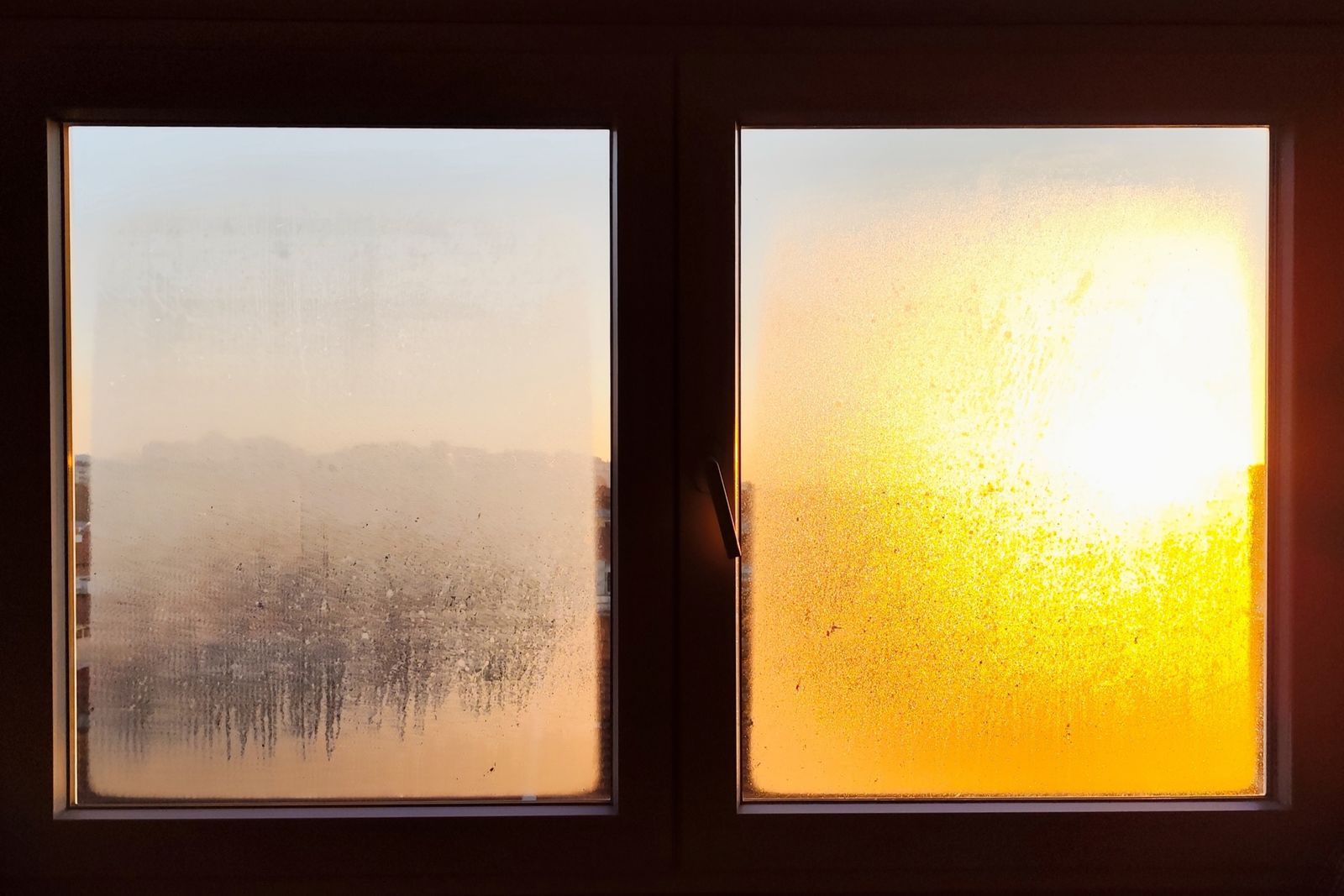
By mid-November the sun is gone before the working day ends across much of Europe and North America. Most people call this the winter blues. Some people have something more serious. And the internet will sell both groups the same lamp.
Here's what the research supports, what it doesn't, and the small part sound can play. We're a sound app, not a clinic, so nothing here replaces medical care.
Winter Blues or Seasonal Depression?
The US National Institute of Mental Health describes seasonal affective disorder (SAD) as a type of depression with a recurring seasonal pattern, with symptoms lasting about four to five months of the year. That means more than a gloomy week: a low or "empty" mood for at least two weeks, plus, in the winter pattern, oversleeping, carbohydrate cravings with weight gain, and pulling away from people. It usually begins in young adulthood and is more common in women and in people living farther north.
The winter blues are the milder version: less energy, more sleep, a flatter mood, but you still function and still enjoy things.
The Awkward Debate Nobody Mentions
In 2016, Megan Traffanstedt, Steven LoBello and Sheila Mehta of Auburn University at Montgomery analyzed a US health survey of 34,294 adults in Clinical Psychological Science. Depressive symptoms showed no link to season, latitude or sunlight.
That doesn't settle it. Each person was surveyed once, so the study could not follow anyone from summer into winter, and the authors themselves allowed that a seasonal form might exist in a very small share of people. A fair reading: SAD is real for some, while the idea that winter depresses everyone is weaker than it sounds.
What the Evidence Supports
- A proper light box, in the morning. NIMH describes a 10,000-lux box that filters UV, used for about 30 to 45 minutes a day, typically early in the morning, from fall to spring. A 2020 meta-analysis led by Edda Pjrek in Psychotherapy and Psychosomatics pooled 19 placebo-controlled trials: people were about 1.4 times as likely to respond to active light. A modest effect from mixed, often small studies.
- CBT designed for SAD. Kelly Rohan's University of Vermont team followed 177 adults after six weeks of either tailored cognitive behavioral therapy or light therapy (American Journal of Psychiatry, 2016). The first winter afterward, the two were comparable. Two winters later, depression had come back in about 46% of the light group and 27% of the CBT group.
- Actual daylight. In a large UK Biobank analysis led by Angus Burns (Journal of Affective Disorders, 2021), each extra hour spent outdoors during the day was associated with lower odds of depression and antidepressant use, and with fewer insomnia symptoms. It's observational, so people who feel better may simply go out more, but a walk costs nothing.
Be careful with the box. NIMH advises checking with a provider first if you have certain eye diseases or take medication that increases light sensitivity. Mayo Clinic warns that light therapy may trigger mania in some people with bipolar disorder.
What's Oversold
- Vitamin D as a mood fix. NIMH calls SAD study results mixed. The biggest test of prevention, VITAL-DEP (Olivia Okereke and colleagues, JAMA, 2020), gave 18,353 adults 2,000 IU a day or placebo for a median of 5.3 years and found no reduction in depression. If you're deficient, treat the deficiency, but don't expect it to treat November.
- Toughing it out. A Berlin sleep-lab study led by Dieter Kunz's group (Seidler et al., Frontiers in Neuroscience, 2023) measured 188 patients and found about 30 minutes more REM sleep in winter than in summer. These were people with sleep complaints, but wanting a bit more sleep in December may be normal.
- Dreading it. Kari Leibowitz and Joar Vittersø surveyed 238 people across Norway, including Svalbard (International Journal of Wellbeing, 2020). A more positive "wintertime mindset" went with greater wellbeing, and it was stronger farther north. It's correlational and says nothing about clinical SAD.
Bright Mornings, Dim Evenings
Winter often gets light exactly backwards: dim offices all day, then a blazing kitchen and a phone at 11 p.m. A 2022 expert consensus led by Timothy Brown in PLOS Biology set numbers for this, using a measure of light as your body clock perceives it (melanopic EDI). At least 250 lux during the day, at most 10 lux starting three hours before bed, and at most 1 lux while you sleep.
You don't need a meter: work near a window, get outside before noon when you can, and switch to lamps in the evening. A 2023 UK Biobank study in Nature Mental Health, which had 86,631 people wear light sensors for a week, linked more daytime light with lower risk of depression and more night-time light with higher risk. If the recent clock change knocked your schedule loose, a steady wake time is the cheapest repair there is.
Where Sound Fits, and Where It Doesn't
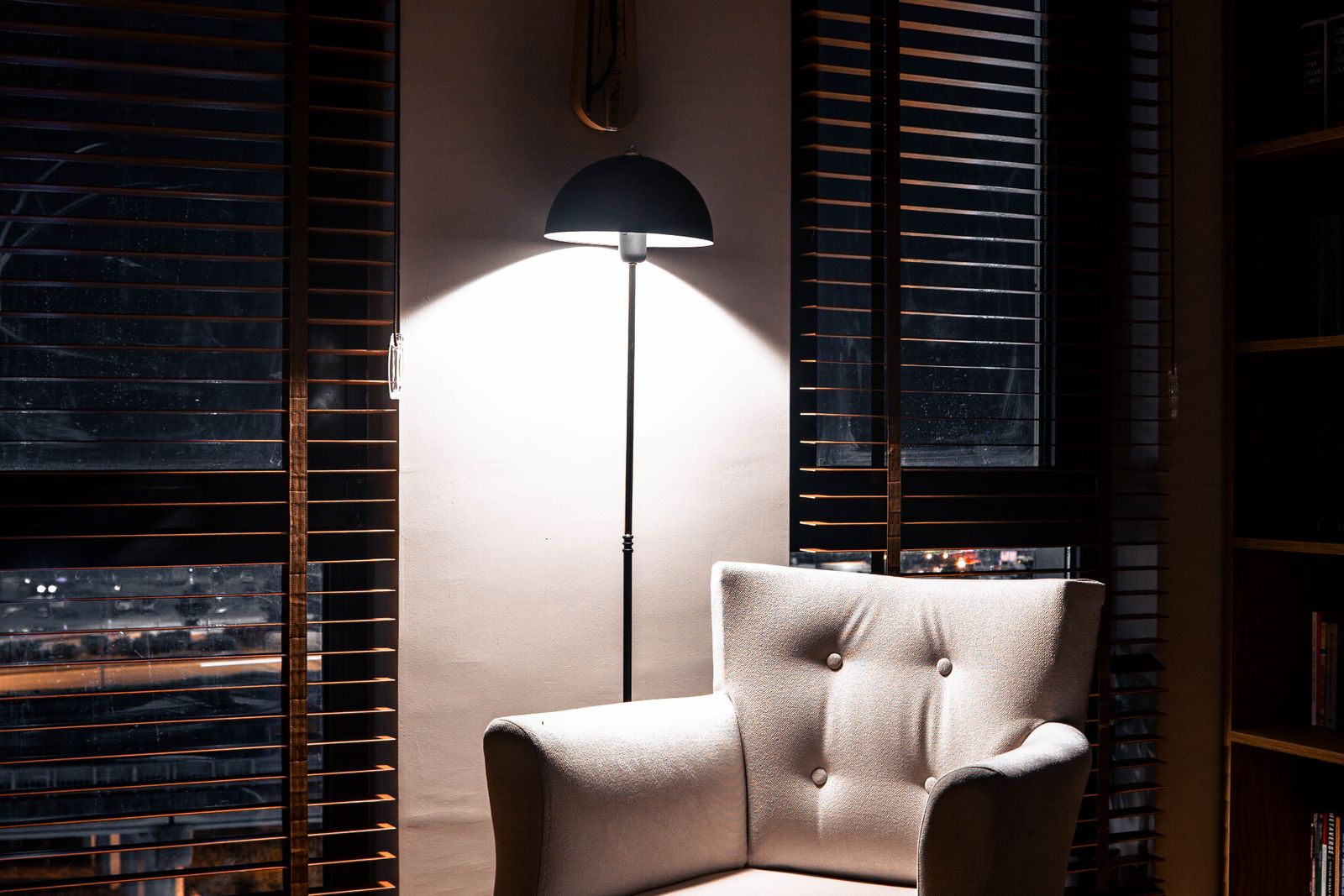
No sound treats depression. What sound can do is make a dim, phone-free evening easier to stick with.
A 2022 Cochrane review (Jespersen and colleagues; 13 studies, 1,007 participants) found that listening to music improved subjective sleep quality in adults with insomnia symptoms, though a clear effect on insomnia severity wasn't shown. And in Christopher Lynn's 2014 fireplace study, which we covered in our piece on the science of cozy, a fire with its crackle lowered blood pressure while a muted one didn't.
- Campfire for the first hour of a dim evening.
- Rain or wind, which make indoors feel like the right place to be. Part of why nature sounds relax us.
- Brown noise if your building is loud and a fire isn't your thing.
One caution that the sleep internet skips: in a 2026 University of Pennsylvania lab study led by Mathias Basner (Sleep), 25 healthy adults lost nearly 19 minutes of REM sleep when pink noise played at 50 decibels through the night. It's one small study, but the habit is easy: keep the volume low and use a timer rather than playing until morning.
A Realistic Winter Day
- Same wake time, weekends included, or close to it.
- Outdoors within a couple of hours of waking, even under cloud.
- One plan with another human each week, booked before you feel like cancelling.
- Lamps instead of ceiling lights about three hours before bed.
- Phone away, low sound on a timer.
When It's More Than Winter
If your mood has been low for two weeks or more, you've stopped enjoying things, or daily life is slipping, talk to a doctor or mental health professional. SAD is treatable. If you're having thoughts of suicide, contact emergency services or a crisis line now: 988 in the US, Samaritans on 116 123 in the UK and Ireland, or your local equivalent.
The Takeaway
Winter asks for more light in the morning, less at night, and some patience with a body that wants more rest. Sound is a small part of that. You can play all of these free online, or build your own mix with a sleep timer in the Noizio app for Mac, iOS and Android.