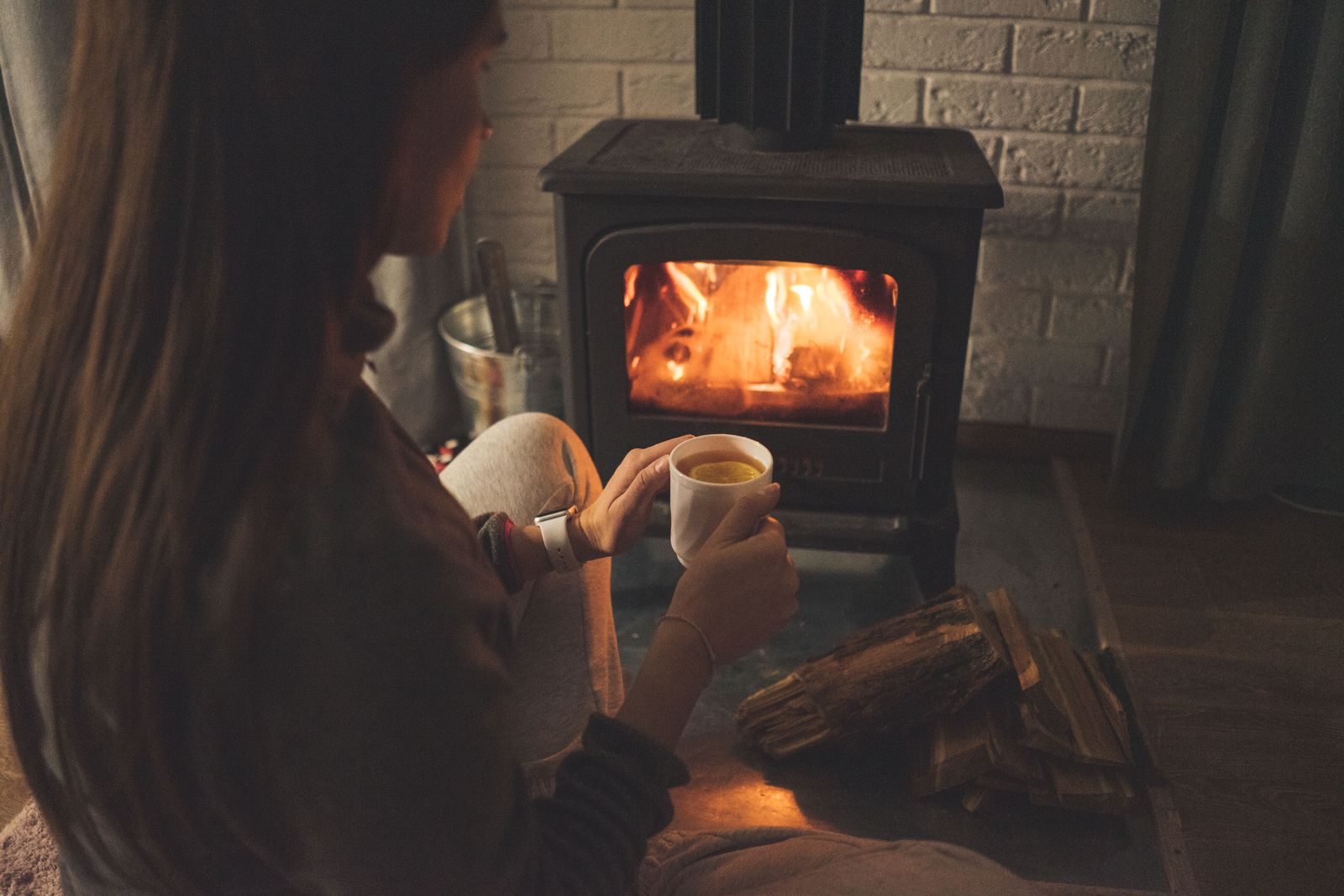
The clocks have changed, it's dark by late afternoon, and your feed has quietly filled with blankets, candles and people proudly going to bed at nine. The internet has a name for it this winter: cozymaxxing. Where sleepmaxxing tried to optimize the night, cozymaxxing is about maximizing comfort while you're still awake — deliberately engineering the warmest, calmest evening you can.
As trends go, this is one of the gentler ones. But it still deserves the honest treatment: what's actually happening in your body when you get cozy, where the trend tips into avoidance, and why the layer most people forget — sound — is doing more work than the candles.
What Is Cozymaxxing, Exactly?
Cozymaxxing is the practice of treating comfort as something you build on purpose instead of something that occasionally happens to you. A typical version: warm low light, a blanket with real weight to it, a hot drink, the phone in another room, and a slow activity — reading, knitting, staring at rain — for an hour before bed.
It grew out of TikTok as a winter answer to hustle culture, and it's essentially hygge with a tracking-era name: the Danish art of warm, unhurried contentment, rebranded for people who usually optimize everything. The appeal is obvious in November. The days are short, the news is loud, and "do less, but warmer" sounds like medicine.
Why Cozy Actually Calms You Down
Therapists quoted on the trend keep reaching for the same explanation: cozy rituals send your body safety signals. Warmth, dim light, soft textures and predictable, gentle input all point the nervous system away from its fight-or-flight mode and toward the parasympathetic "rest and digest" state — slower heart rate, easier breathing, digestion back online. That framing is expert commentary rather than a stack of clinical trials; "cozymaxxing" itself is too new to have its own research base.
But the coziest stimulus of all has been tested properly — and the result says something surprising about sound. In a University of Alabama study (Christopher Lynn, published in Evolutionary Psychology, 2014), 226 adults watched a fireplace video under different conditions while their blood pressure was tracked. A fire with its crackling sound reliably lowered blood pressure, and the longer people watched, the stronger the effect. The same fire muted did not produce significant relaxation.
Read that again: the picture of the fire wasn't the active ingredient. The crackle was. If you only take one thing from the whole trend, make it this — a cozy room that's acoustically dead is missing half the effect.

The Sound Layer of Cozy
Cozy sound has a recognizable shape: steady, non-verbal, slightly textured, and — crucially — it implies shelter. Rain is cozy because you're not in it. A few sounds that carry the feeling, all free to try:
- Campfire crackle — the one with actual lab evidence behind it. Irregular enough to feel alive, steady enough to fade into the background.
- Rain on the window and a distant thunderstorm — the classic contrast effect: bad weather outside makes inside feel safer.
- Howling wind — same trick in winter form; the storm does the work, the blanket gets the credit.
- A ticking clock — the sound of a calm room where nothing urgent is happening. Oddly underrated.
- A rolling train — rhythmic, enclosed, going somewhere warm while you go nowhere at all.
- Crickets at night — a borrowed summer evening for when winter overdoes it.
- Coffee-shop murmur — cozy's social variant; human warmth at a volume where no single word can grab your attention.
Why these work isn't mysterious — it's the same reason nature sounds feel so relaxing: a soft, predictable soundscape masks the sudden noises your brain is wired to monitor, and gives it one gentle thing to rest on instead.
Where Cozymaxxing Goes Wrong
The honest list, because every trend has one:
- Buying your way to cozy. The algorithm will happily sell you heated blankets, candle warmers and $90 "comfort sets." None of it is the mechanism. Warmth, dim light, quiet sound and a closed door are nearly free.
- Cozy as hiding. Therapists draw a clear line between rest and avoidance: an evening that restores you versus a season spent dodging everything hard. If the blanket is where your plans go to die, that's a signal, not self-care.
- Doomscrolling under a blanket. A February 2026 survey by the American Academy of Sleep Medicine found 38% of adults say doomscrolling costs them sleep — 46% among 18-to-24-year-olds. A phone in a cozy room is still a phone; the feed cancels the candle.
- All-day cozy. In winter you still need daylight and movement. Cozymaxxing works as an evening ritual, not a lifestyle — especially when the early darkness is already pushing your body clock around.

A Simple Cozymaxxing Evening
No shopping required:
- One warm, dim light source — lamp or candle, not the ceiling light.
- Phone in another room, or at least out of reach.
- One steady soundscape, just loud enough to blur the building: fire, rain, or both.
- A warm drink and the heaviest blanket you own.
- One slow thing — a book, a puzzle, the window — for 30–60 minutes.
Repeat it a few evenings in a row and it becomes a cue: the crackle starts, your shoulders drop. That's the same conditioning logic that makes a consistent wind-down ritual work — the trigger does the relaxing for you.
The Takeaway
Cozymaxxing gets the big thing right: comfort is a legitimate way to down-regulate a stressed nervous system, and winter is the season to lean into it. Just skip the shopping list, keep the phone out of the fort, and don't forget the half of cozy you can't photograph. You can play every sound above free online — or layer your own winter mix, rain over a crackling fire is the house favorite, in the Noizio app for Mac, iOS and Android. Lights low, crackle on, feed off.